 Noah's Portfolio
Battle Creek Map Design Document
Island-based Roblox combat map inspired by Halo-style combined-arms warfare. This document outlines the design intent, playable structure, major systems, visual direction, and gameplay goals for Battle Creek.
Contents
Overview
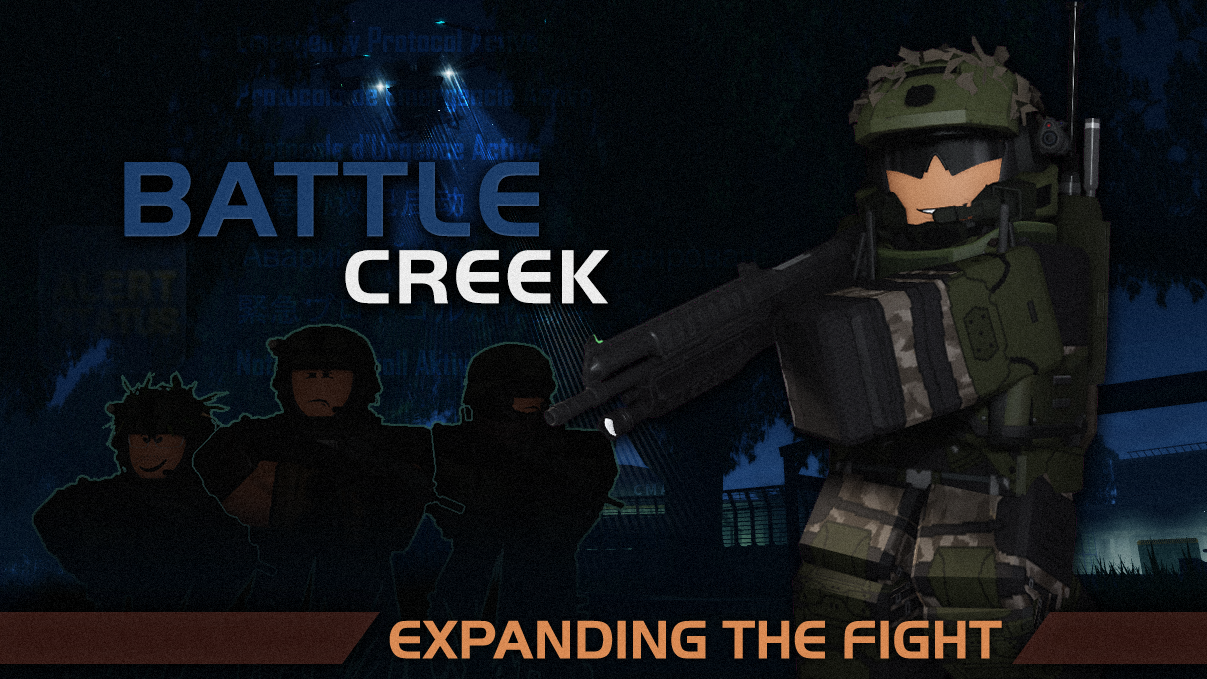
Promotional art for Battle Creek.
Battle Creek promotional video.
Battle Creek is an island-based Roblox combat map inspired by Halo-style combined-arms warfare. This document outlines the design intent, playable structure, major systems, visual direction, and future polish goals for the map. The focus is on how the environment, gameplay systems, and scripted features work together to support faction-based multiplayer combat across a large tropical island.
Battle Creek is not designed as a simple arena map. It is structured as a playable conflict zone with military bases, outposts, roads, beaches, rivers, jungle paths, civilian locations, industrial infrastructure, and maritime spaces. The goal is to make players feel like they are deploying into an active island operation rather than loading into a flat competitive map.
1. General Information
1.1 Goals and Objectives
The purpose of Battle Creek is to support a large-scale faction-based raid environment built around combined-arms science fiction combat. The map should allow players to move naturally between bases, contested objectives, vehicle routes, water routes, and smaller infantry lanes without forcing all combat into a single chokepoint.
The map is intended to support both casual players and organised group members. A new player should be able to spawn, identify major landmarks, follow roads, and find combat quickly. More experienced players should be able to use squads, vehicles, VISR, alternate routes, and objective timing to make tactical decisions.
The primary design goals are to create a readable island battlefield, encourage conflict across multiple lanes, provide strong faction staging areas, and use memorable landmarks to help orientation. Locations such as the hydroelectric dam, crashed ship, spaceport, civilian village, and faction bases are meant to act as visual anchors during gameplay.
1.2 Target Audience
The primary audience is Roblox players interested in group warfare, Halo-inspired roleplay, raid maps, and team-based objective combat. The map should be approachable enough for casual players while still supporting organised faction members who want to plan attacks, defend bases, coordinate vehicle pushes, and call out specific locations.
1.3 Map Type
Battle Creek is a tropical island combat map built around two major military factions: the UNSC and the Insurrectionists/URF. It uses a large outdoor layout with beaches, cliffs, roads, bridges, water routes, jungle cover, industrial structures, civilian buildings, and distant scenic landmarks.
2. Core Map Layout
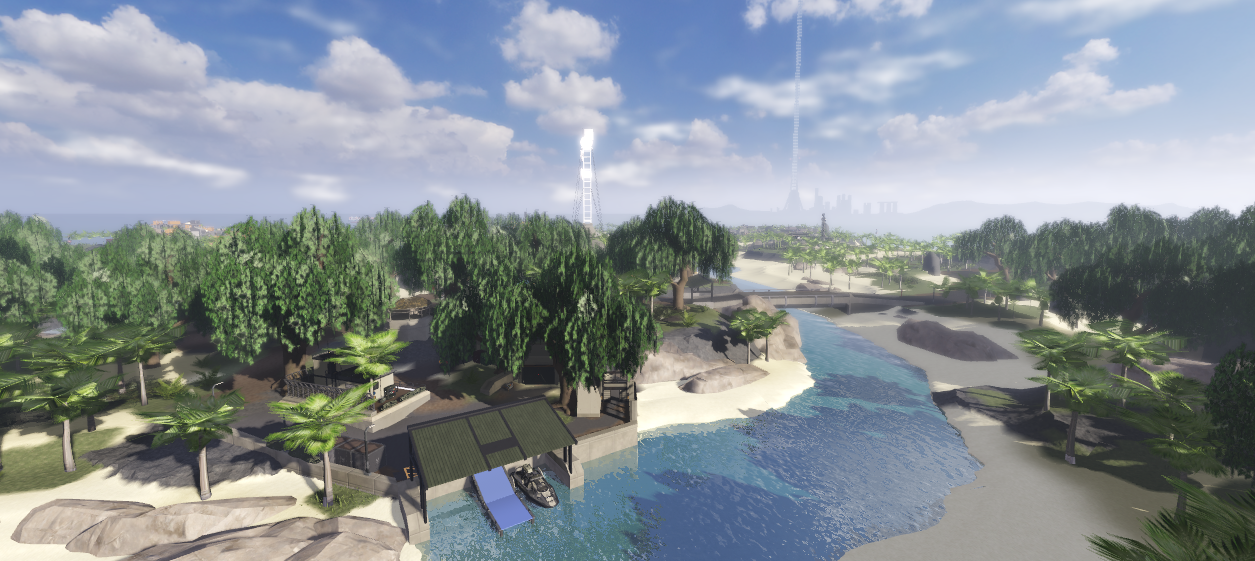
Wide cinematic island shot showing river, jungle, and distant structures.
The island is organised around a looping road network supported by satellite islands, bridges, beaches, river paths, and elevated jungle routes. This gives players several choices when moving through the map. They can push directly along the main road, flank through jungle paths, use boats and water routes, or take elevated positions for overwatch.
The King of the Hill system reinforces this flow by rotating active objectives around the map. This prevents the entire match from stagnating at one location and gives value to secondary spaces that might otherwise only be used for travel.
2.1 Major Locations
| Location | Gameplay Purpose | Design Notes |
|---|---|---|
| UNSC Base | Primary faction spawn and staging area. | Includes aircraft, ground vehicles, boat access, and connection to the central road network. |
| Insurrectionist Base | Opposing faction spawn and staging area. | Supports aircraft, ground vehicles, weapon spawning, and elevated tactical pressure. |
| UNSC Forward Base | Mid-map operating point. | Creates forward pressure and shortens return-to-combat time. |
| Hydroelectric Dam | Landmark, route, and combat-adjacent objective space. | Provides bridge combat, water-side movement, interior spaces, and industrial sightlines. |
| Civilian Village | Neutral worldbuilding and hybrid combat/roleplay space. | Adds non-military identity through shops, restaurants, interiors, and sniper positions. |
| Spaceport | Resupply and loading dock zone. | Gives the eastern island strategic value and supports the logistics fantasy. |
| Beached Shipping Tanker | Ship-based combat and salvage zone. | Creates a unique maritime combat area with ammunition and weapon placement. |
2.2 Player Flow
Faction base → Road or jungle flank → Contested mid-map objective → Side objective or vehicle push → Enemy base pressure
Roads provide fast vehicle movement, while beaches and jungle paths provide alternate infantry approaches. Water routes introduce a third traversal layer so the island does not depend entirely on roads.
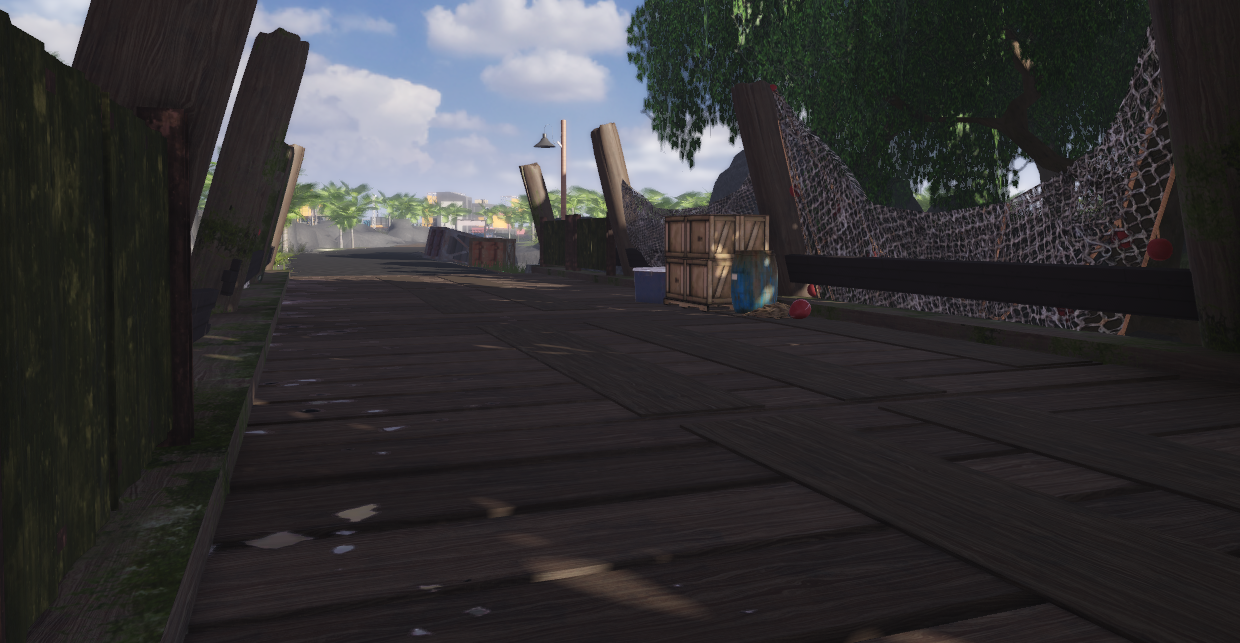
Bridge traversal showing a clear movement lane with cover and foliage.
3. Faction Base Design
3.1 UNSC Base
The UNSC base appears lower and more coastal, giving it a strong connection to naval movement, beach routes, and forward deployment. The base includes concrete defences, vehicle pads, sci-fi military structures, and staging areas that support organised deployment.
3.2 Insurrectionist Base
The Insurrectionist base appears more elevated and inland, giving it a different tactical identity from the UNSC base. Its position supports overwatch, hill-based movement, and pressure from higher ground.
3.3 Base Balance Considerations
The bases do not need to be identical, but they must be fair. Each faction can have different terrain advantages as long as vehicle access, travel time, objective reach, and escape routes remain balanced.
4. Key Locations and Environmental Design
4.1 Hydroelectric Dam
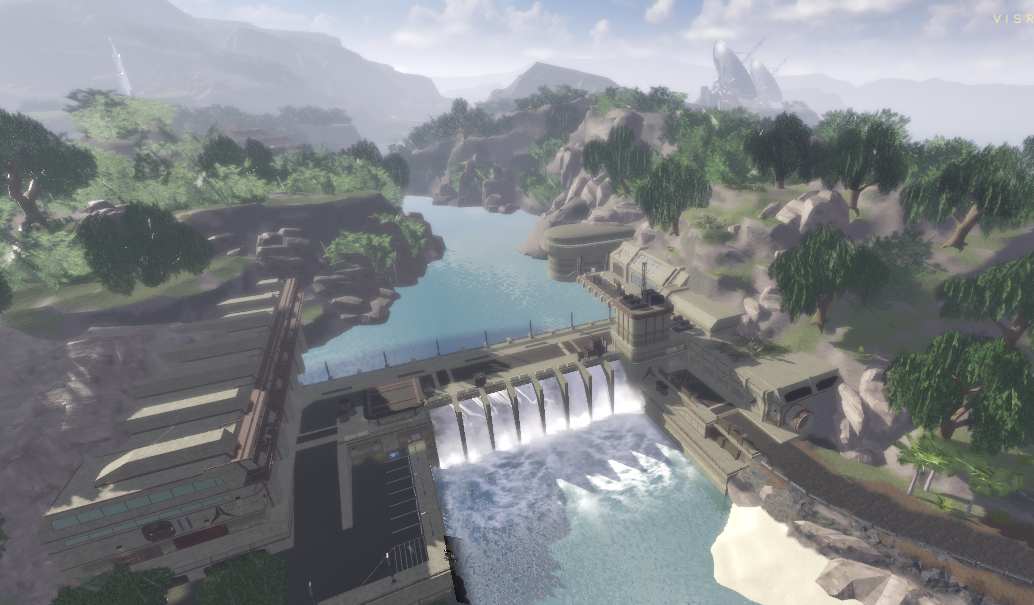
The hydroelectric dam is the central landmark of Battle Creek. It acts as a visual anchor, a traversal route, and a combat-adjacent objective space. The dam supports multiple combat styles - exterior spaces create long sightlines and vehicle-adjacent movement, while interior spaces create tighter close-quarters engagements.
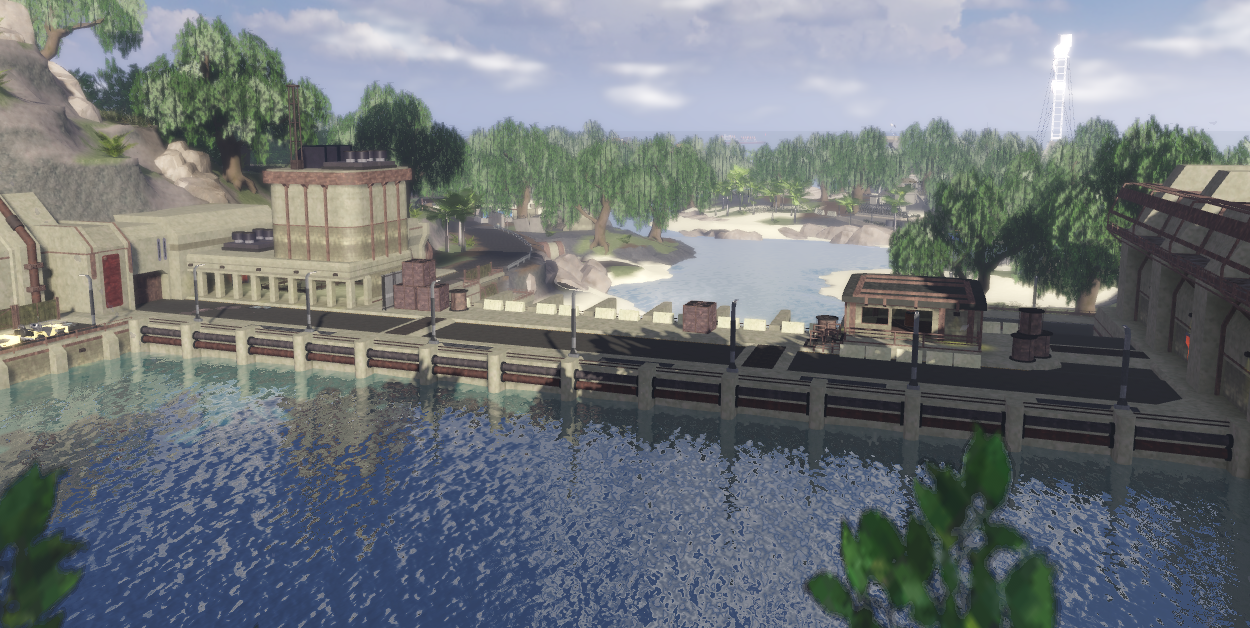
Hydroelectric dam exterior showing the river, dam face, and nearby roads.
Dam interior road and tunnel shot.
4.2 Civilian Village
The civilian village exists to prevent the island from feeling entirely military. It gives the map a sense of history and makes the conflict feel more grounded. The village includes tropical architecture, shops, a bar/restaurant interior, narrow streets, and smaller structures that suggest the island had a civilian life before the battle.
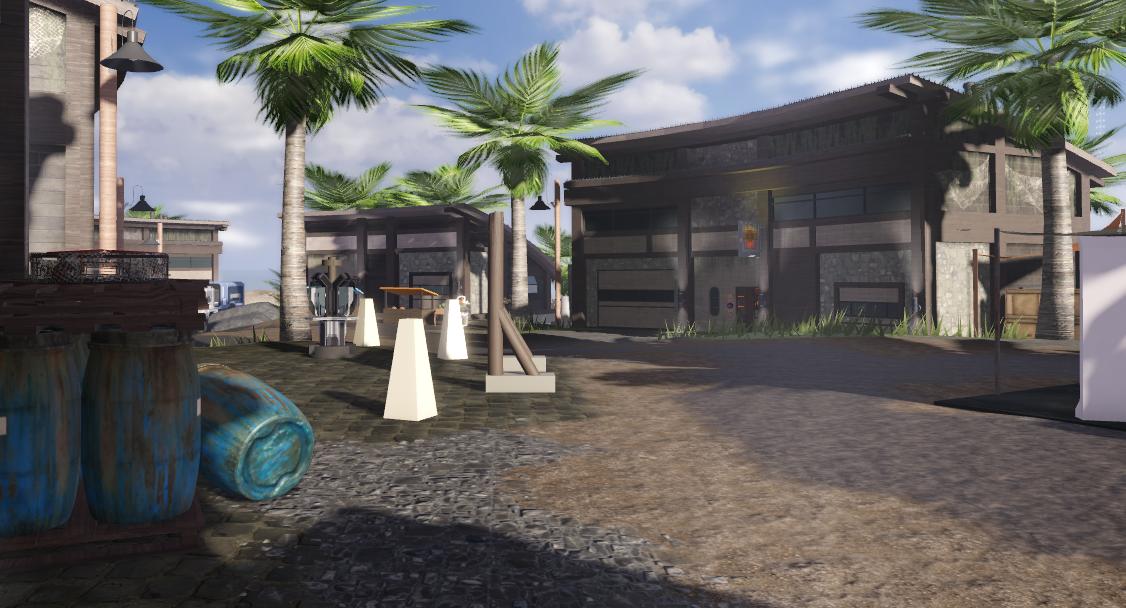
Civilian village exterior with shop signage.
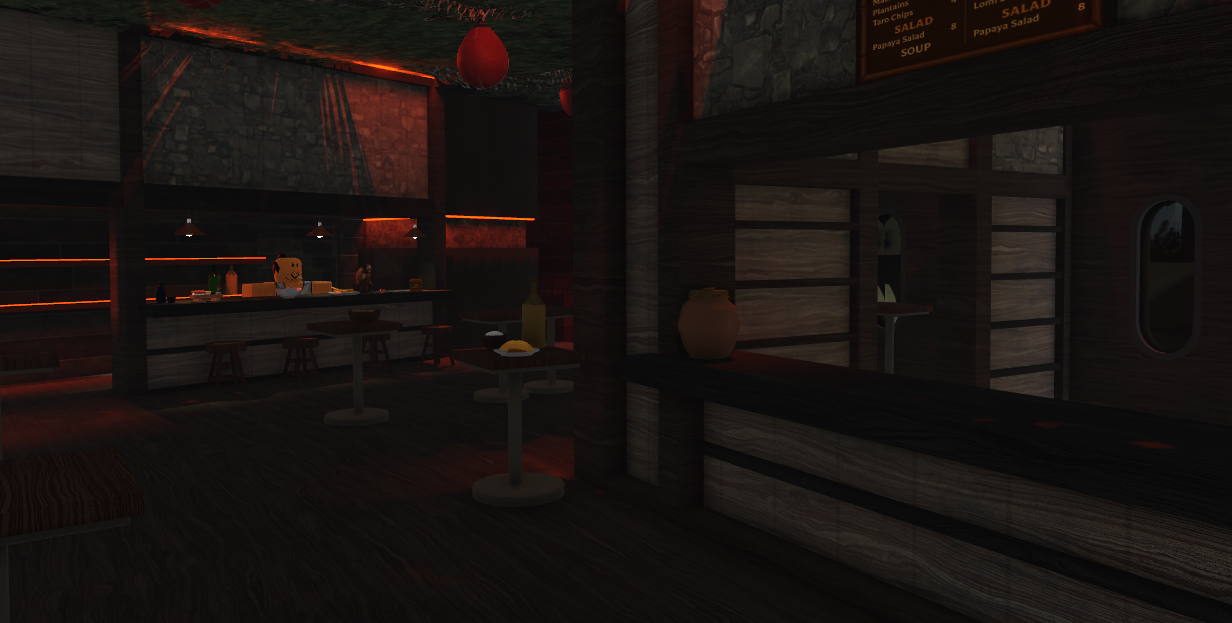
Restaurant and bar interior with warm lighting.
4.3 Raider Joe's
Raider Joe's is a smaller environmental storytelling location that helps communicate the improvised, lived-in nature of the island. The campfire, signage, rough structures, and jungle surroundings suggest a local or insurgent-adjacent social space rather than a formal military installation.
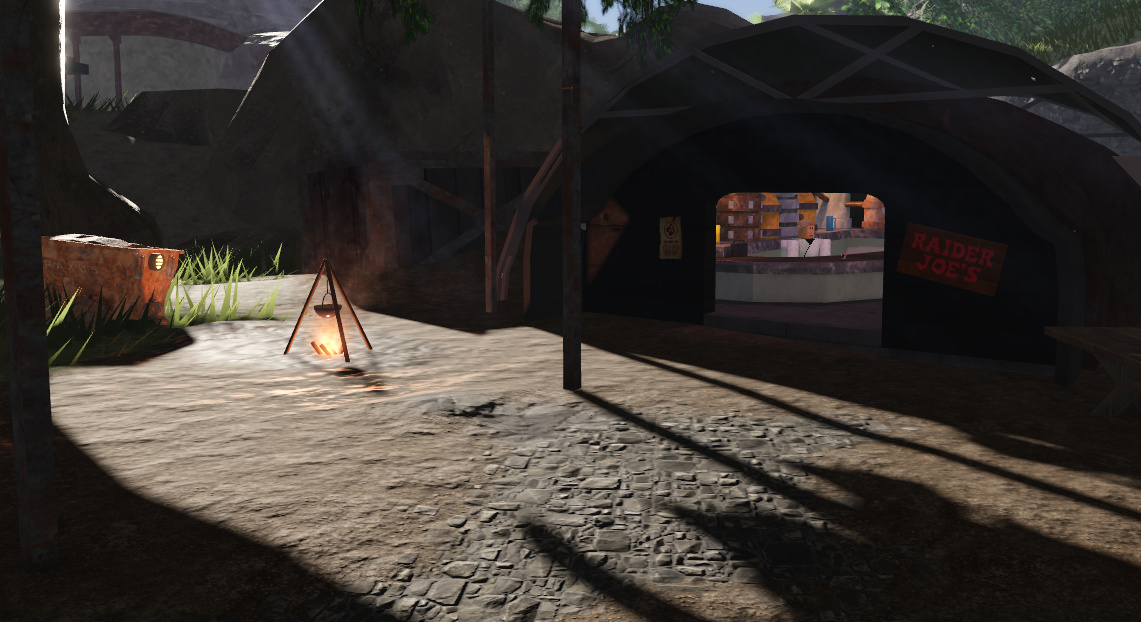
Raider Joe's entrance and campfire shot.
4.4 Maritime Wreckage
The beached shipping tanker and surrounding water debris create one of the map's most distinct side areas. It supports maritime combat, ship boarding, salvage fantasy, and long-range engagements across water.
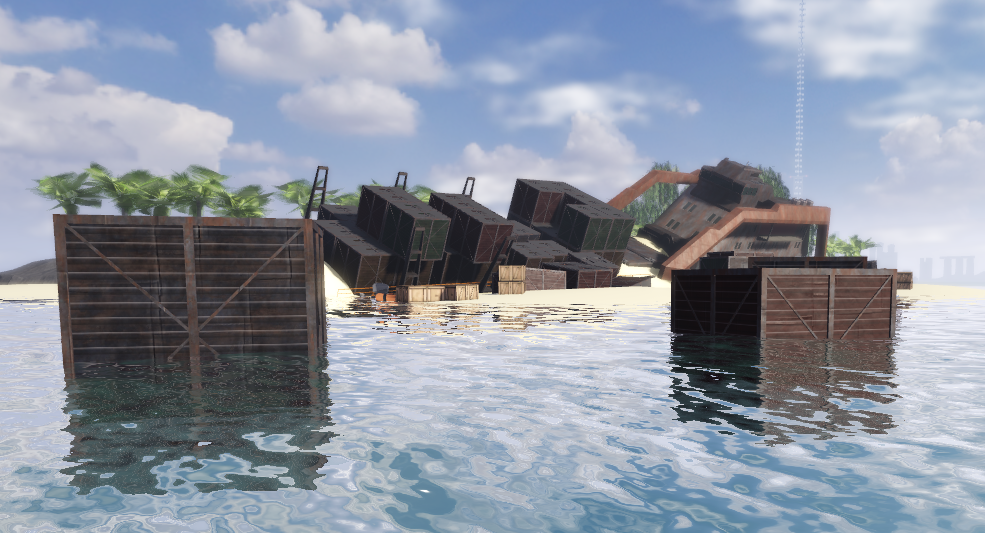
Beached shipping tanker and water debris shot.
4.5 Spaceport and Logistics Areas
The spaceport and loading dock areas provide an industrial logistics identity for the eastern side of the island. These spaces include cargo, dock structures, construction equipment, storage areas, and vehicle-accessible surfaces.
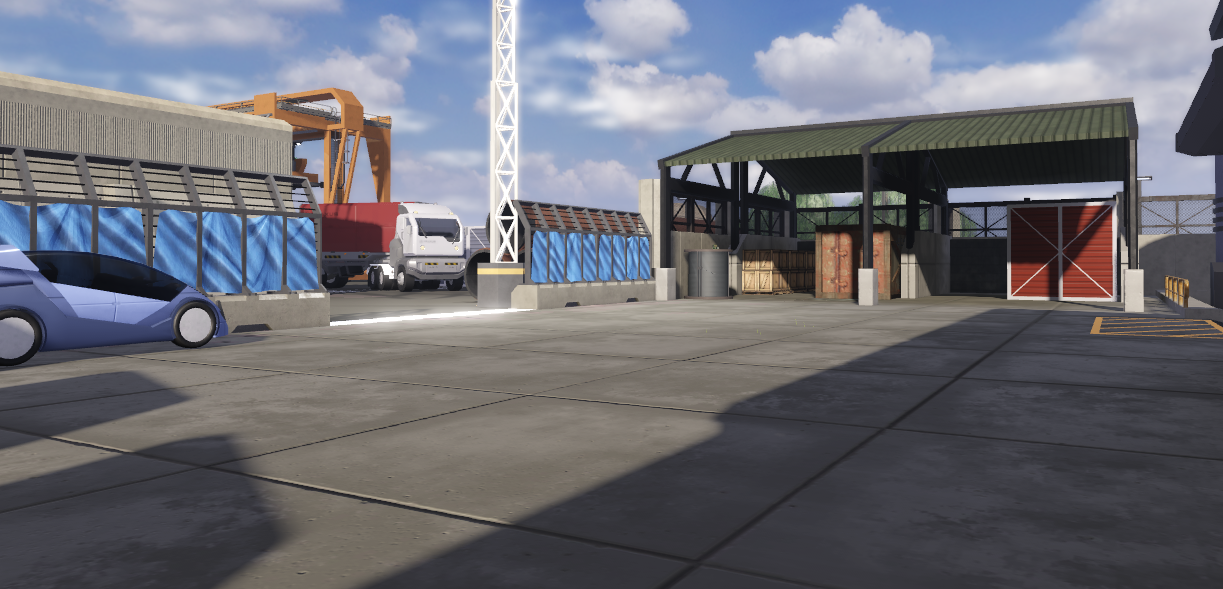
Spaceport and loading dock screenshot.
4.6 Jungle Routes and Abandoned Outposts
The jungle routes are important for pacing. They connect large combat spaces with quieter, denser traversal paths. These areas support ambushes, infantry movement, stealthier flanks, and environmental storytelling.
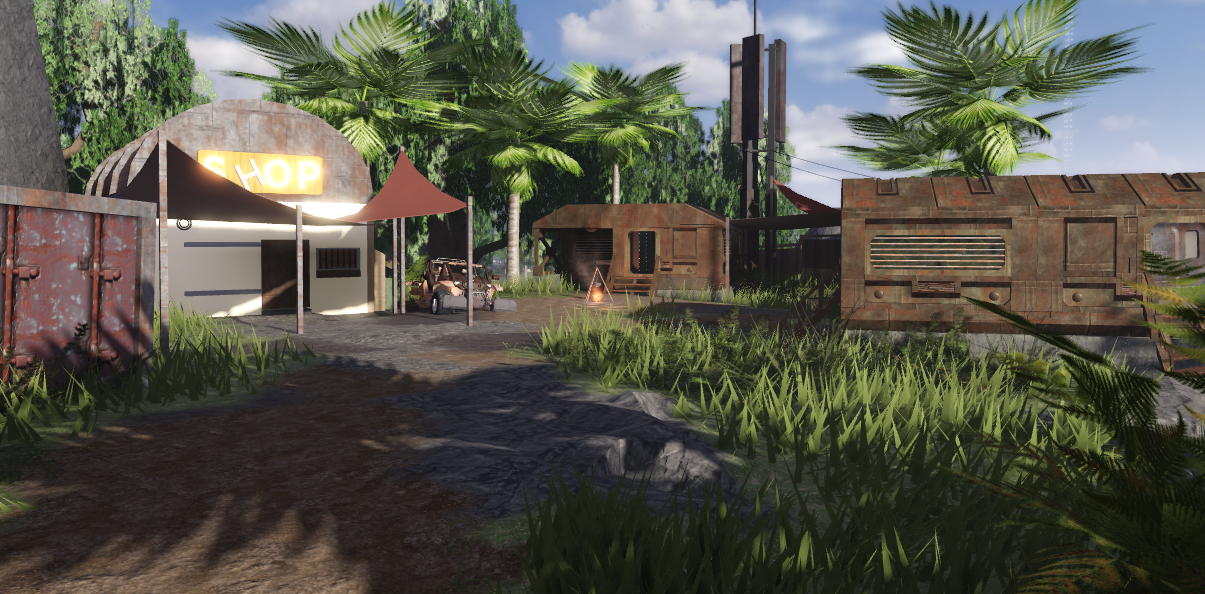
Abandoned outpost and store area with foliage and road cover.
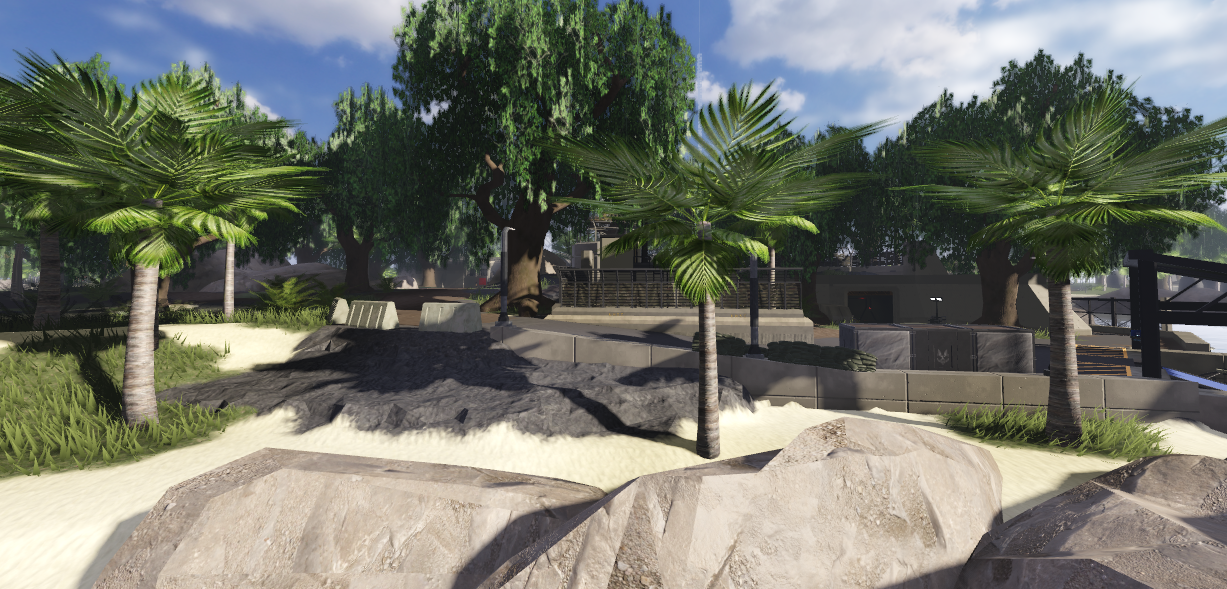
Jungle crate and detail shot.
5. Gameplay Systems Supported by the Map
5.1 King of the Hill Objective Support
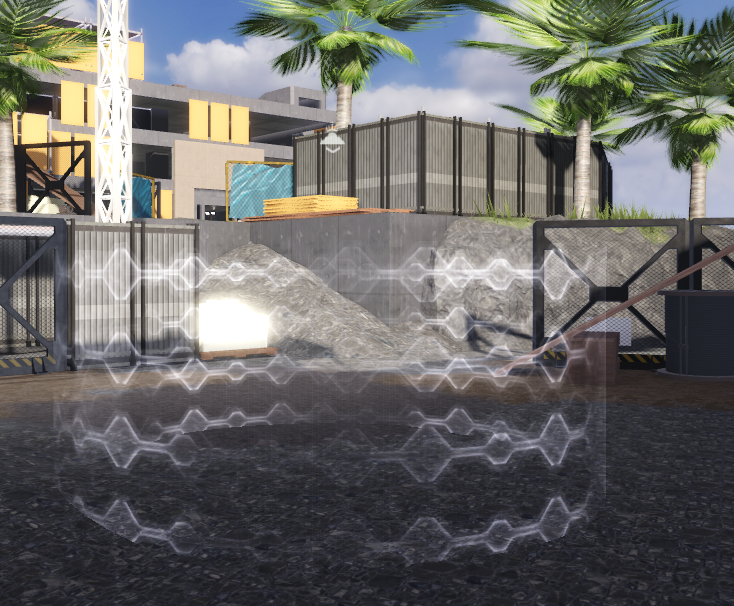
The King of the Hill system uses a Hills folder and randomly selects an inactive hill to become the current active objective. Players within a 15-stud radius are counted toward hill control. The system checks whether UNSC players, Insurrectionist players, or both teams are present.
This system supports the map's core design goal: keeping players moving between multiple conflict pockets rather than allowing the entire match to collapse into one static location.
Active KOTH hill with beams and billboard marker.
5.2 Squad and Waypoint Support
The squad system allows players to create, join, leave, and select squads. Squad leaders can set waypoints for members, helping teams organise vehicle pushes, flanks, defensive positions, and regroup points.
5.3 VISR / Recognition System
The VISR system improves readability in a dense, atmospheric environment. It allows players to toggle a highlight overlay that identifies characters and world geometry. This is particularly important because Battle Creek uses thick jungle, strong shadows, nighttime lighting, and complex terrain.
6. Visual Direction and Environment
6.1 Art Direction
Battle Creek uses a tropical military-industrial art direction. The environment combines bright beaches, blue water, large jungle trees, rocky cliffs, concrete installations, weathered roads, sci-fi base elements, and lived-in civilian spaces.
6.2 Atmosphere
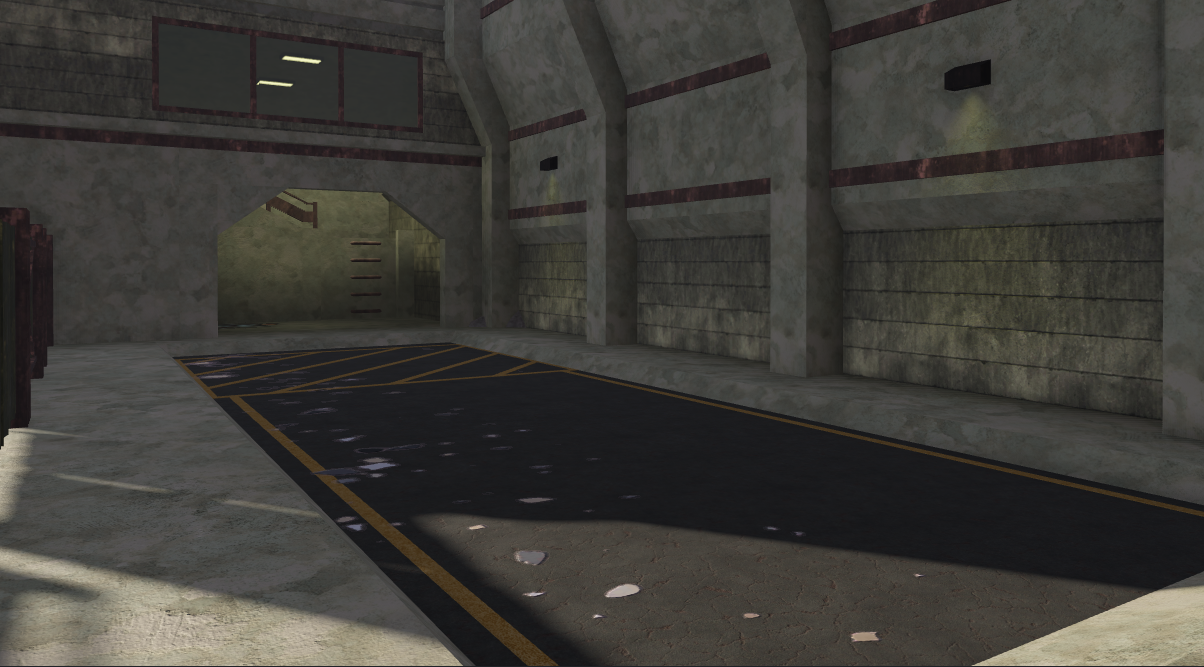
The map shows a bright, high-contrast island with strong sun, deep shadows, reflective water, dense foliage, and a misty distant skyline. This atmosphere supports the fantasy of a remote occupied island and helps separate major areas by mood.
Environmental detail showing weathered props and industrial materials.
7. Dynamic Lighting and Time of Day
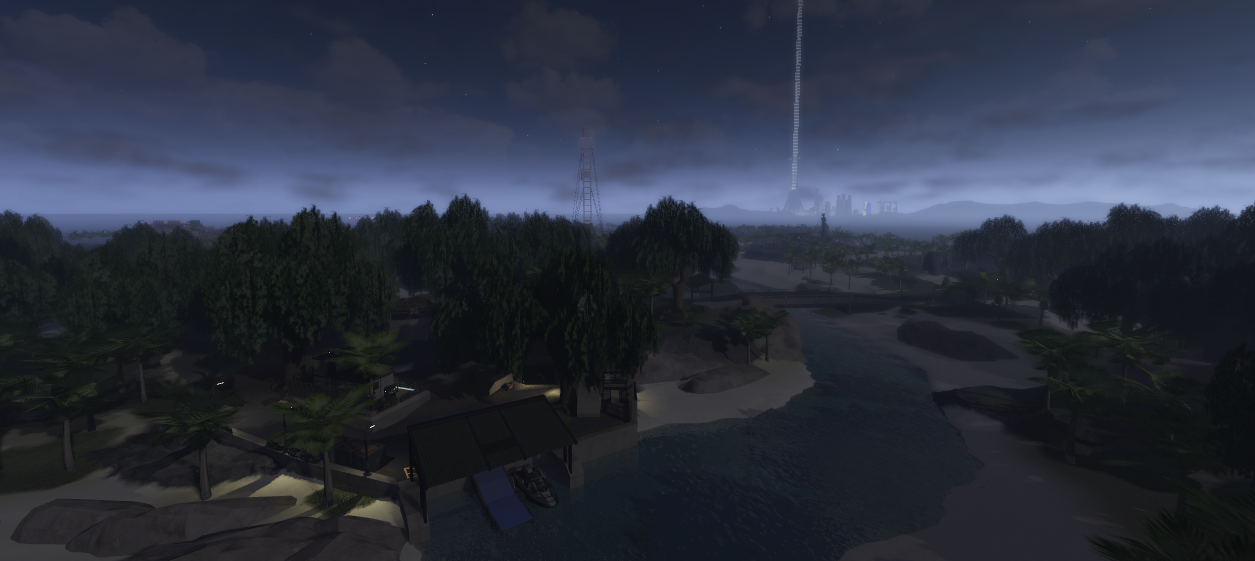
Battle Creek includes a dynamic lighting system that transitions through morning, midday, evening, night, and midnight states. During daytime, visibility is high and the island feels open, bright, and readable. During evening and night, the environment becomes moodier, artificial lights become more important, and VISR gains more tactical value.
Wide daytime island shot.
Matching nighttime island shot.
8. Balance Considerations
8.1 Faction Balance
Both factions require strong staging areas, but the bases should not be identical. Different terrain advantages can help give each side a unique identity as long as the overall match remains fair.
8.2 Vehicle and Weapon Placement
Vehicle and weapon placement should encourage movement without making any single route impossible to contest. Power weapons such as the Spartan laser and sniper rifle should be strong, but their positions need counterplay through flanking, vehicles, or terrain.
9. Conclusion
Battle Creek is designed as a large-scale tropical island combat map that supports faction warfare, vehicle movement, infantry routes, dynamic objectives, and environmental storytelling. Its strongest design feature is the way its gameplay systems and environment reinforce one another.
The final design goal is to make Battle Creek feel readable, atmospheric, and replayable: a map where players can understand the battlefield quickly, but continue discovering new routes, details, and tactical possibilities over time.
The map is designed to reward both first-time players finding their footing and experienced faction members running coordinated operations across the island.